

We’d love to hear from you — whether you have a project in mind, or just want to say hello.
hello@awayo.co
.svg)
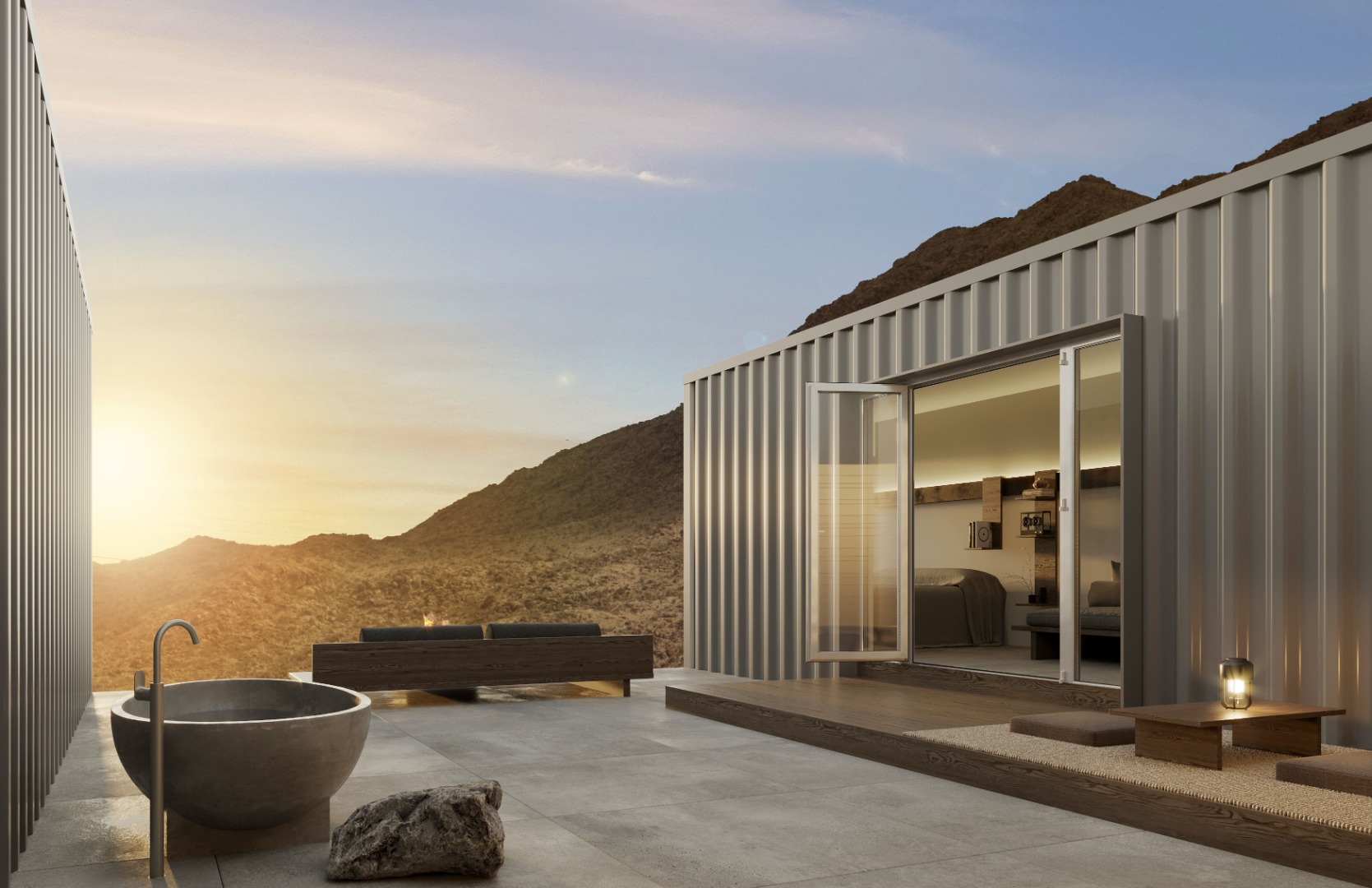
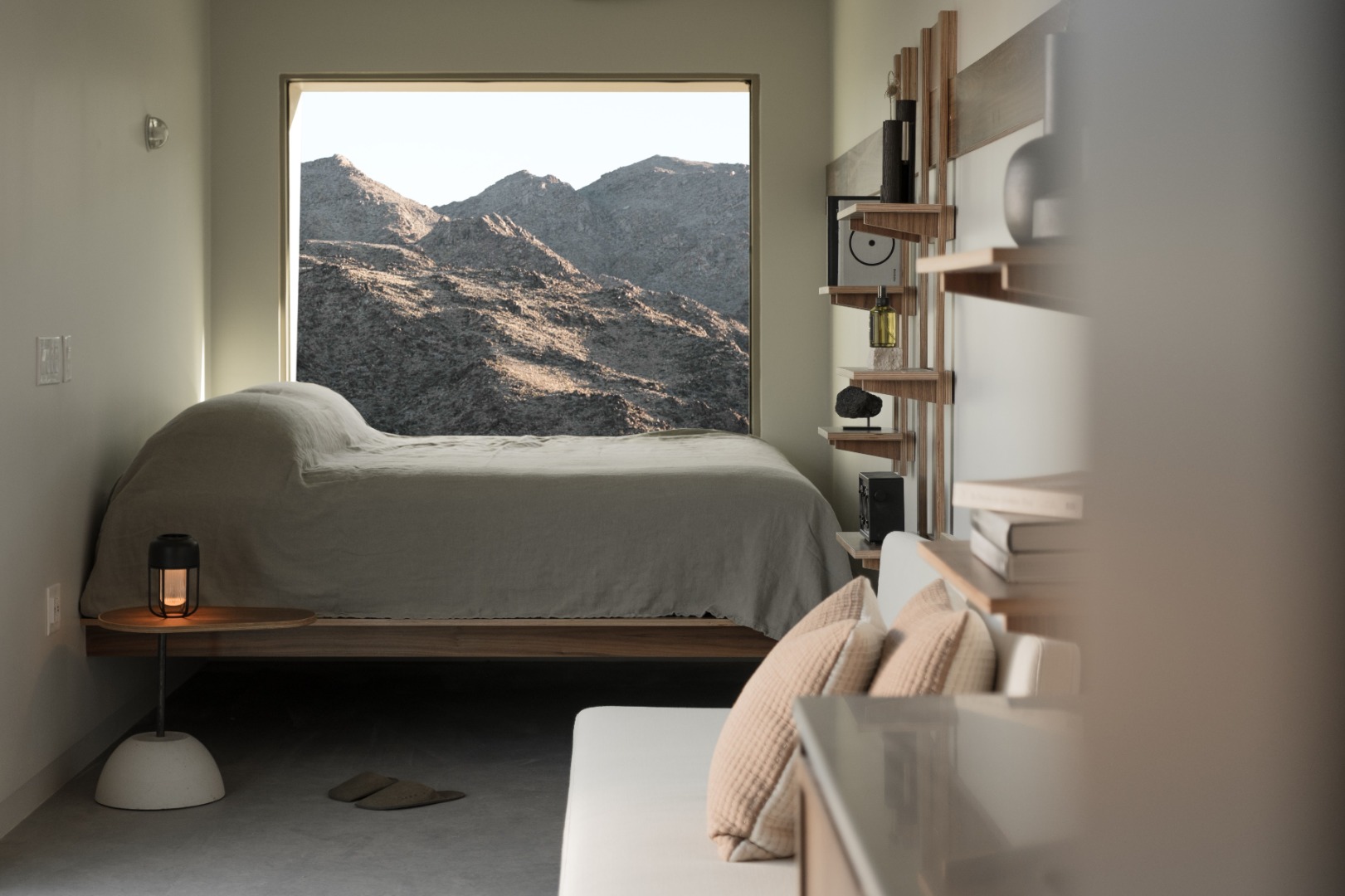
Reset Hotel is Joshua Tree National Park's first boutique hotel. 65 rooms. 180 acres. A saltwater pool set against open desert ridgelines. A cedar sauna and cold plunge. Firepits that glow after sunset. A stargazing pad with on-site telescopes. And rooms named things like Mountain View Suite with Outdoor Tub and Moonlight Patio Queen that make you understand immediately what the experience will feel like before you've read a single line of copy.
It opened quietly, without a lot of noise, and was promptly covered by The New York Times, Travel + Leisure, Condé Nast Traveler, Wallpaper*, Dezeen, Bloomberg, the LA Times, AFAR, and the Michelin Guide. That is not a coincidence. Reset did something very specific very well — and understanding what that is matters to anyone building an outdoor hospitality concept right now.
The best hospitality gets out of the way. Distance from distraction is the rarest luxury. The best thing you can offer isn't just another amenity — it's room to think.
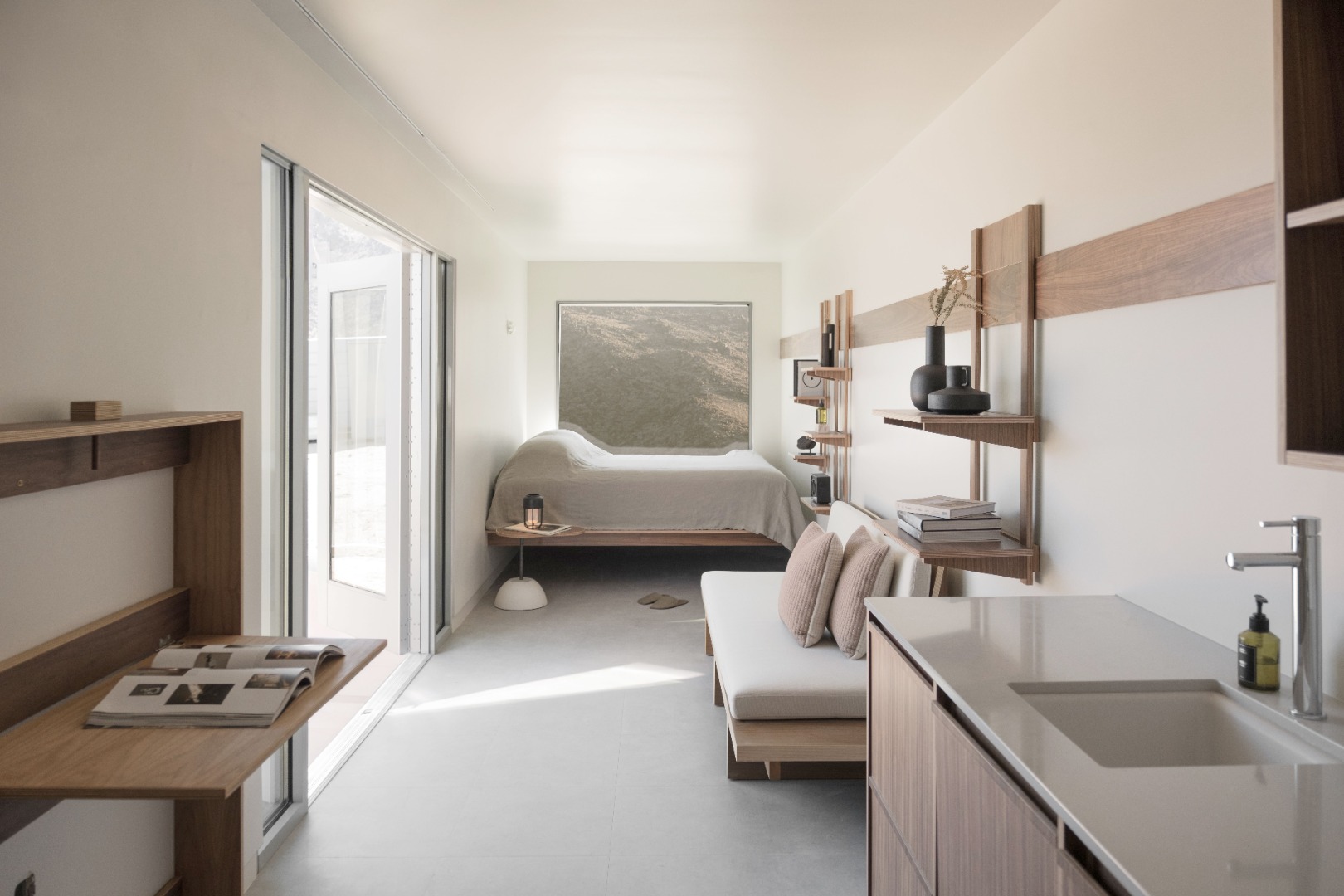
The philosophy behind Reset is disarmingly simple and, in execution, remarkably rare. The founders describe it this way: they built in deference to what already existed. Clean lines. Quiet materials. Buildings spaced to preserve openness. From a distance, they almost disappear. Up close, the details tell a story. They never set out to build a monument — just a vantage point.
That framing — a vantage point, not a destination — is the most important design decision they made. It shifts the whole orientation of the guest experience. Reset is not the attraction. Joshua Tree is. The property is the frame through which you access something the desert has always offered and most people have never been able to reach comfortably: genuine stillness.
What makes this commercially intelligent — not just philosophically interesting — is that it means the land itself is doing the heaviest lifting. The product is the place. The hotel's job is simply not to get in the way of it. This is a concept that resonates deeply with how we think at AWAYO® about outdoor hospitality. The most powerful retreat experiences are the ones where the surrounding landscape is the primary experience, and the built environment is designed to amplify it rather than compete with it.
Joshua Tree has long been a pilgrimage site. People come to stand in the middle of something vast and let it recalibrate them. Reset built around that — not despite it.
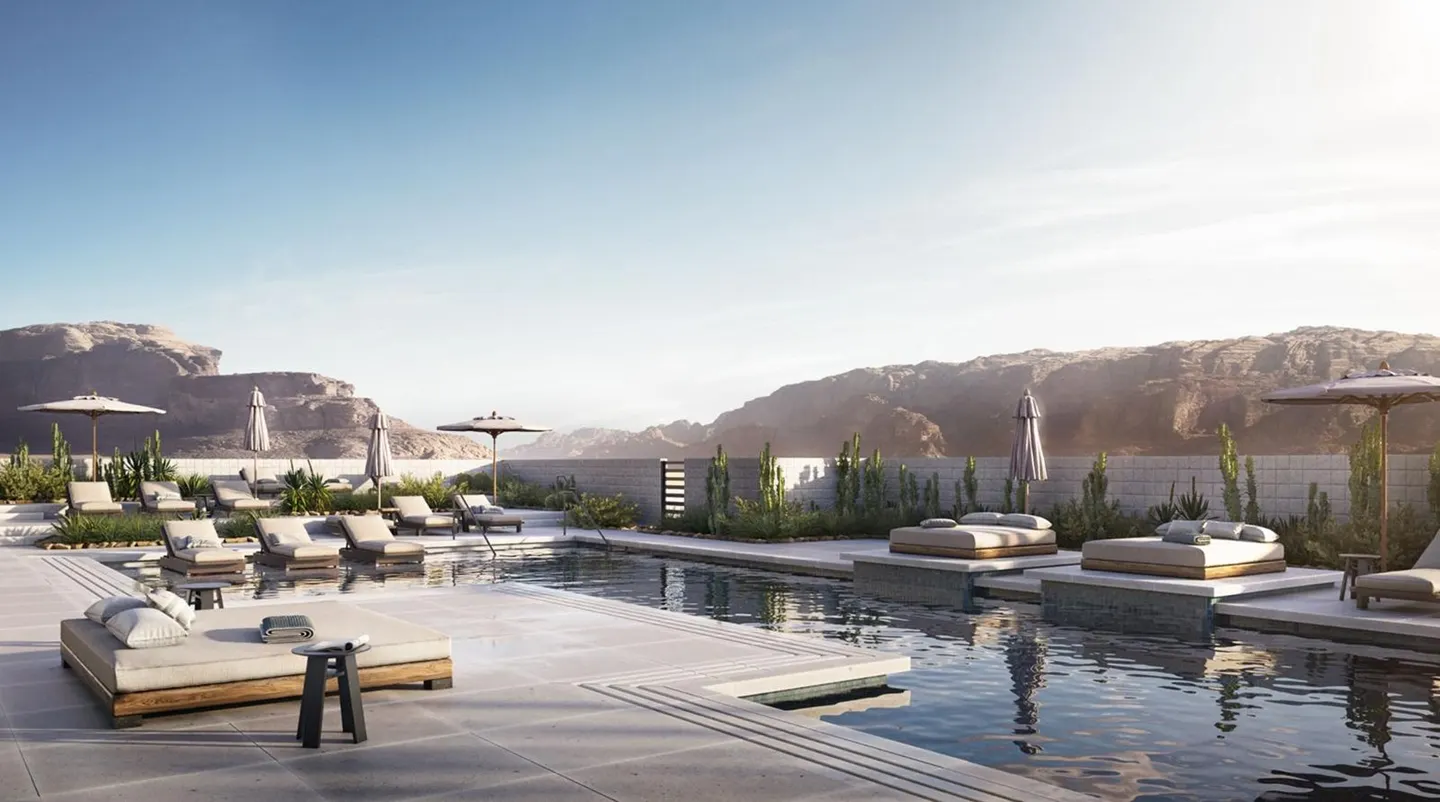
What's equally instructive is how Reset handles the wellness dimension of the stay. There is no wellness menu here. No spa brochure pushed under the door, no packaged detox programmes or guided breathwork sessions marketed at checkout. Instead, wellness is embedded into the structure of every day, quietly and without announcement. A sauna and cold plunge available throughout the day as a self-directed ritual. Firepits and the communal Moonpad for stargazing after dark. A heated outdoor saltwater pool with uninterrupted mountain views. A café that opens from morning to evening with poolside service.
The rooms follow the same logic. Private patios with Solo Stove fire pits. Outdoor stone soaking tubs. Spa-inspired showers with Jolie-filtered water. Fellow coffee stations. An enclosed patio option for solo travellers or guests with pets. Every decision is oriented outward — toward the sky, the mountain ridgeline, the desert floor — rather than inward toward a television or a minibar.
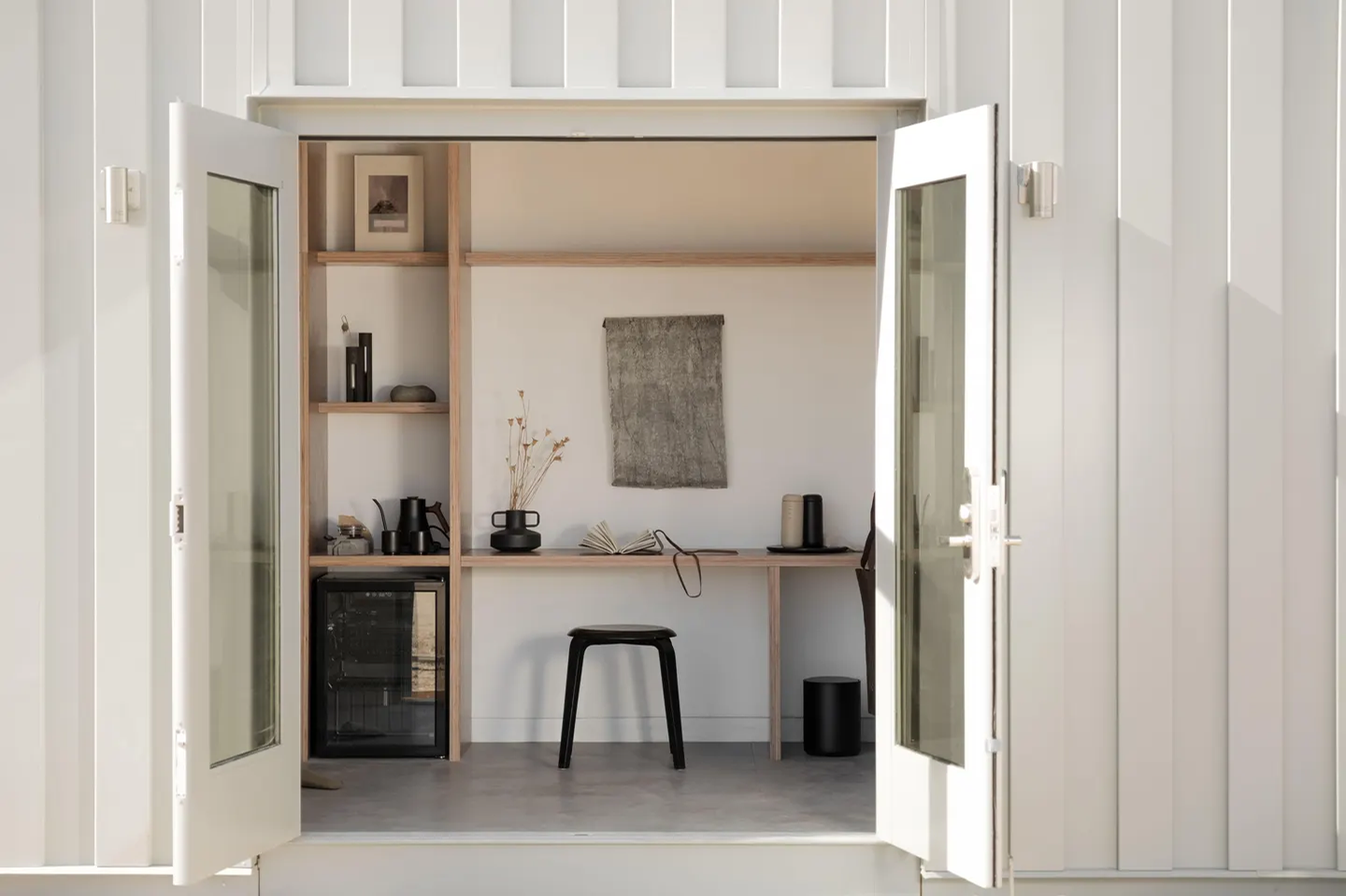
Reset has been featured in virtually every major publication that covers architecture, travel, and design — not because it spent heavily on PR, but because it built something genuinely coherent. A hotel that knows what it is, where it is, and why it exists. That clarity translates into press coverage, word of mouth, and the kind of guest reviews that read less like ratings and more like thank-you notes.
This is the first post in our Best Practice Series — a regular look at the outdoor hospitality concepts doing something worth learning from.
All images are the property of their respective owners and are used for editorial and illustrative purposes only. Image rights belong to the featured brands and their designated photographers. AWAYO® makes no claim of ownership over third-party imagery.