

We’d love to hear from you — whether you have a project in mind, or just want to say hello.
hello@awayo.co
.svg)
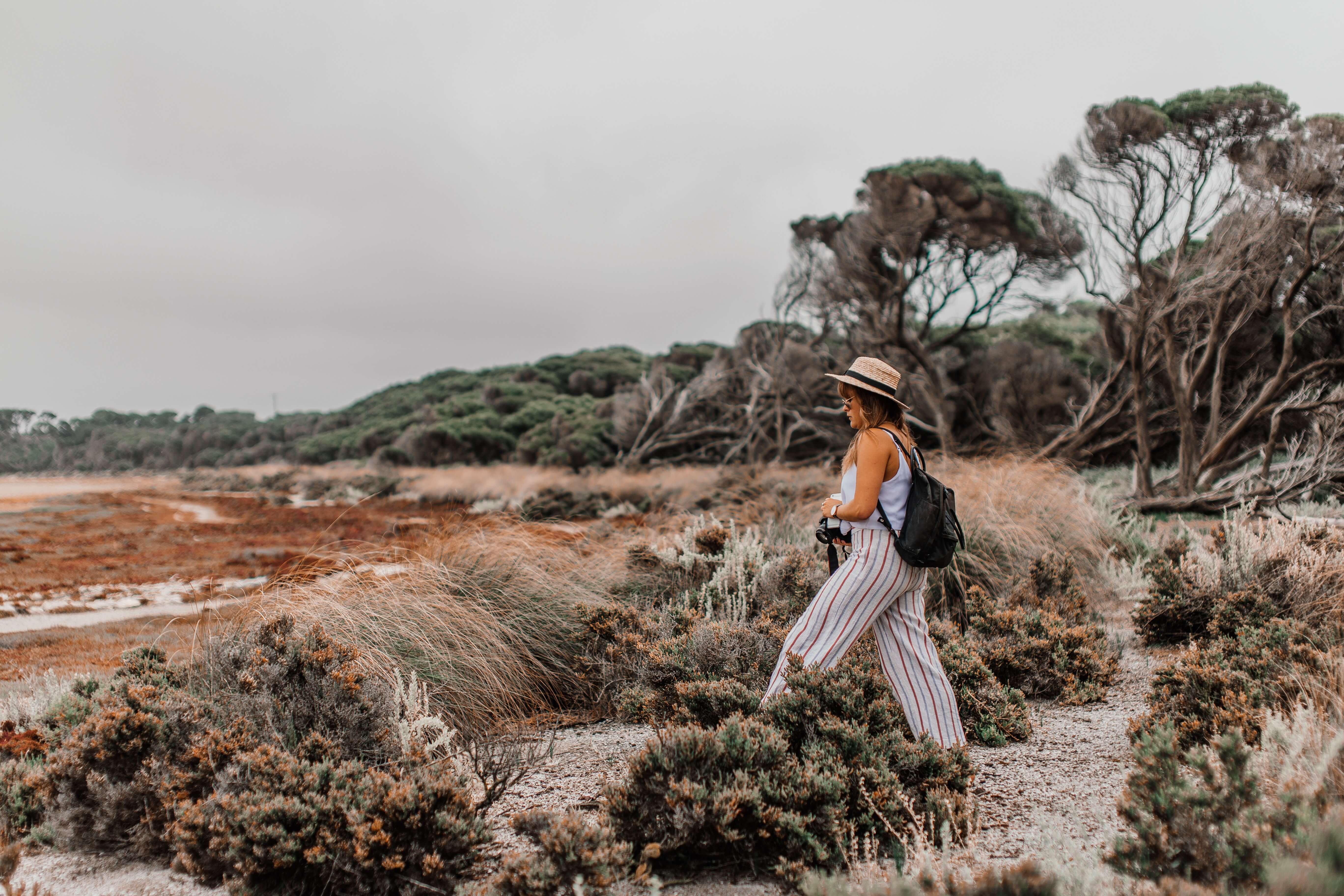
For most of the 20th century, travel was defined by distance, status, and the checklist. But something has shifted. Today's traveller isn't trying to collect destinations. They're trying to find something that feels real — experiences that reflect who they are, align with what they care about, and leave them genuinely changed. Six trends are driving this transformation. Together, they paint a picture of a travel industry moving away from volume and toward meaning.
Travel is no longer just about escape. It's about alignment with values, rhythm, and place.
Once built around fixed itineraries and packaged deals, the travel market is fragmenting into deeply individual journeys — curated around personal passions, life stages, and values rather than standardised must-sees. From forest wellness retreats and food-focused getaways to cabin stays inspired by local craftsmanship, no two trips look alike. Technology and preference-based design enable providers to fine-tune everything from the lighting in a guest's room to the neighbourhoods suggested for an afternoon walk. The personalised travel market is expected to reach $262.9 billion by 2034.
Sustainable travel is no longer a niche concern — it is a mainstream expectation. Today's travellers don't just want to minimise their footprint — they want to contribute positively to the places they visit. As sustainability converges with wellness and purpose-driven design, a new definition of luxury is emerging: one rooted in simplicity, responsibility, and a deeper sense of place. Faced with a choice between a generic hotel and a nature-focused retreat, more and more travellers are choosing meaning over excess.
Travel is shifting from mass movement to meaningful connection — driven by purpose, personalisation, and sustainability. The retreats that understand this will define the next decade.
Remote work is no longer an exception — it is a norm, with 18.1 million Americans now identifying as digital nomads, a figure up 147% since 2019. By 2030, this group is expected to contribute $1 trillion annually to host economies, with over half of that spent on accommodation alone. More than 50 countries now offer remote work visas. The new remote professional isn't searching for a desk and Wi-Fi alone. They're looking for environments that foster clarity, creativity, and wellbeing — destinations that offer more than workspace: mental reset, personal focus, and quiet inspiration.
Travel is no longer primarily about places — it's about stories, meaning, and connection. Younger generations are building entire itineraries around artisan studios, local markets, and culinary neighbourhoods rather than tourist hotspots. They seek items that reflect local culture and craftsmanship as tangible expressions of the places they've been. More than half of Millennials and Gen Z now intentionally travel to purchase high-quality, destination-authentic goods.
Wellness travel is moving well beyond relaxation. Travellers are seeking experiences that integrate science, nature, and personalised care — from forest bathing and circadian-friendly stays to biohacking treatments and wearable tech. Global wellness tourism is projected to double to $1.4 trillion by 2027, and the longevity economy already exceeds $44 billion. Retreats are emerging as the natural home of this movement — spaces of quiet transformation where guests can reset not just for a weekend, but for the long term.
As climate extremes intensify and everyday burnout deepens, travellers are rethinking their seasonal habits. The question is no longer 'Where's warm?' but 'Where feels right?' Coolcations — journeys to cooler regions and northern destinations — are surging among those avoiding peak-summer heat. Calmcations reflect a parallel desire for slowness, simplicity, and nature-based restoration. Mountain lodges, lake retreats, and quiet escapes where silence and space are the true luxury. Both movements point toward the same insight: the most valuable thing you can offer a guest isn't a view. It's time.