

We’d love to hear from you — whether you have a project in mind, or just want to say hello.
hello@awayo.co
.svg)
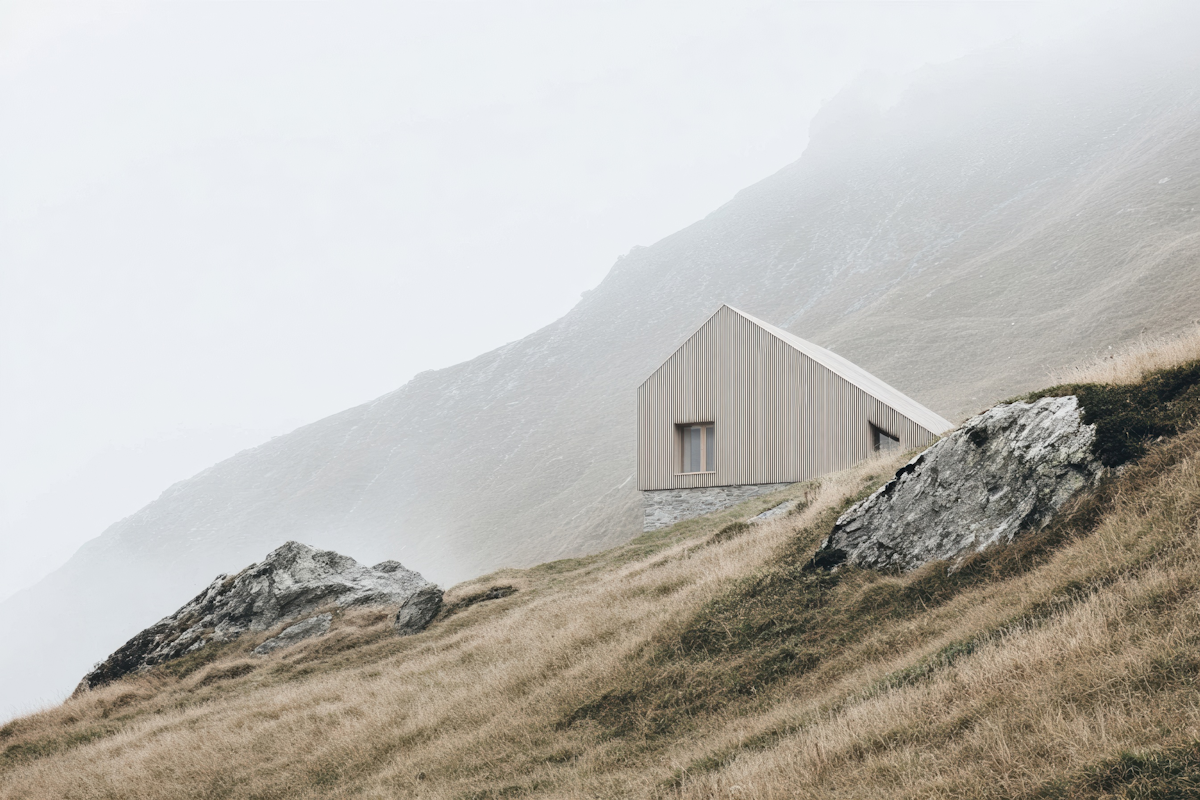
Something has quietly shifted in how people think about where they stay. It used to be enough to offer a beautiful room in a well-located property. That era is closing. Today's guests arrive with a clearer sense of what they want — and a much lower tolerance for experiences that feel assembled rather than designed. Across five interlocking trends, the direction of travel for hospitality in 2026 is becoming unmistakable. And for those building outdoor retreats and camping-adjacent concepts, the timing has never been more significant.
Camping was once about stripping things back. The next generation of outdoor stays is about something far more intentional — spaces designed to restore you at a biological level, not just a scenic one.
In 2026, wellness is being woven into the fabric of the building itself — into the acoustic insulation that protects sleep, the lighting schedules designed around circadian rhythms, the materials chosen for their tactile and psychological qualities, the scent diffusion and spatial flow engineered into the architecture from day one. This is what some are calling passive wellness — spaces that help guests regulate, reset, and feel more like themselves again, without effort or scheduling.
In 2025, 90% of travellers cited wellness experiences as a key factor in their booking decisions, up from 80% the year prior. Wellness travellers consistently spend 40% more per trip than the average guest, and properties with embedded wellbeing principles are seeing 20–35% higher ADRs as a result. For outdoor hospitality and camping concepts, this is a defining opportunity. A cabin with blackout acoustic panels and warm-spectrum lighting that dims with the sunset isn't a luxury extra. It's what genuinely restorative design looks like when the outdoors is already doing half the work.
Guests don't just want a room with a view anymore. They want to feel part of the landscape itself. They're planning stays around specific natural phenomena: Northern Lights across Scandinavia in March, wildlife migration windows in autumn, solar eclipse dates that determine the entire trip itinerary around a single celestial moment. Hiking, trail running, and cold-water swimming have moved firmly into the mainstream.
For retreats and camping operators, this isn't about inventing something new. It's about aligning with how guests already want to live, and giving them a thoughtful nudge to do more of it. The properties that programme around the natural calendar — seasonal foraging walks, dawn bird surveys, full-moon swims — will attract a guest who books not just for the accommodation, but for the experience only that specific place, at that specific time, can offer.
Luxury in 2026 isn't about being seen in the right place. It's about being somewhere that could only be that specific place — and nowhere else.
Authenticity is rapidly becoming one of the clearest markers of luxury in 2026. Instead of settling for a polished, could-be-anywhere aesthetic, high-end travellers are actively seeking places that feel unmistakably tied to their local surroundings. 87% of affluent travellers say authentic, exclusive cultural experiences will matter more to them this year. For operators, this means moving away from generic luxury finishes and toward spaces, objects, and details that could only exist in that specific region or landscape.
The cultural immersion market is projected to reach over $20.6 trillion by 2032. The retreats that win in this space will be the ones that feel like the fullest possible expression of where they are — built with local materials, furnished with regional craft, staffed by people who genuinely know the land, and programmed around the rhythms and traditions of the surrounding community.
AI is transforming how travel is discovered, booked, and experienced. Traditional search bars are being replaced by conversational interfaces: travellers describing their ideal trip in plain language and receiving tailored options within seconds. 76% of millennials say they are likely to use AI for travel recommendations, and 57% say they would even trust it to book on their behalf.
Behind the scenes, AI-enabled housekeeping scheduling, dynamic pricing engines, and predictive personalisation are reshaping operations. And on the discovery side, clear and well-structured content matters more than ever — if AI can't properly understand what a property offers and who it's for, that property is unlikely to show up in the conversation at all. The operators who invest in intelligent infrastructure now will have a compounding advantage that becomes harder to replicate with every passing season.
The most compelling brands today, particularly in the lifestyle, outdoor, and performance sectors, are building whole worlds that audiences can step into. They're telling stories through films and podcasts. They're getting people out doing things through run clubs and community events. They're launching their own lodges, camps, and retreats — not as revenue diversification, but as the fullest possible expression of what they stand for.
The best outdoor hospitality concepts of 2026 will be lifestyle brands as much as accommodation providers, with merchandise, community, and programming that extend the relationship far beyond check-out. The guest who slept in your cabin in May should still feel connected to your world in November — through content, through community, through the next booking already forming in their minds.